
 Each year, Feeding America’s Map the Meal Gap study provides the nation’s most comprehensive look at food insecurity. Using data from the U.S. Census Bureau, Bureau of Labor Statistics, and other federal sources, the study estimates how many people struggle to access enough nutritious food and measures the “meal gap”—the difference between the meals people need and the meals they can afford. These insights help communities better understand the scope of hunger and identify where resources are needed most.
The findings in the Regional Food Bank’s newly released 2026 State of Hunger Report, based on Map the Meal Gap data, reveal a sobering reality across our 23-county service area. From the Canadian border to the Hudson Valley, hunger affects individuals and families in every county we serve – people facing impossible choices and uncertain circumstances.
Every day, our network of food pantries, meal programs, and community partners welcomes neighbors seeking help. We meet parents who skip meals so their children can eat. We hear from seniors who must decide between buying groceries and paying for prescription medications. We see hardworking families stretching every dollar, only to find that rising costs continue to outpace their incomes. These stories remind us that hunger can touch anyone, regardless of age, background, or circumstance.
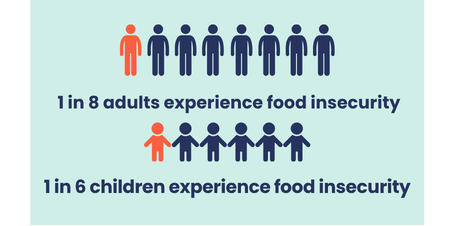
According to the report, an estimated 351,730 people in our region experienced food insecurity in 2024. Put another way, one in eight adults and one in six children did not always know where their next meal would come from. These numbers represent our neighbors, coworkers, classmates, and friends.
The challenge is being driven by mounting economic pressures. As costs for groceries, housing, transportation, healthcare, and childcare continue to climb, many households struggle to make ends meet. The report estimates that food-insecure households across our region would need an additional $268.5 million each year to consistently provide meals for their families, based on an average meal cost of $3.90.
Federal nutrition programs remain a critical source of support, yet they do not reach everyone in need. Nearly 42% of people experiencing food insecurity do not qualify for SNAP, the nation’s most effective anti-hunger program. Many families earn too much to meet eligibility guidelines but too little to comfortably afford the basics, leaving them to rely on charitable food assistance to fill the gap.
The Regional Food Bank and our partners continue working tirelessly to meet this growing need. In 2025, together we distributed enough food to provide more than 44 million meals across our service area. This remarkable effort reflects the commitment of thousands of volunteers, partner agencies, donors, and advocates who believe no one should go hungry.
Yet the need far exceeds what charitable food assistance alone can provide. Despite distributing millions of meals each year, the current meal gap across our region remains nearly 67 million meals.