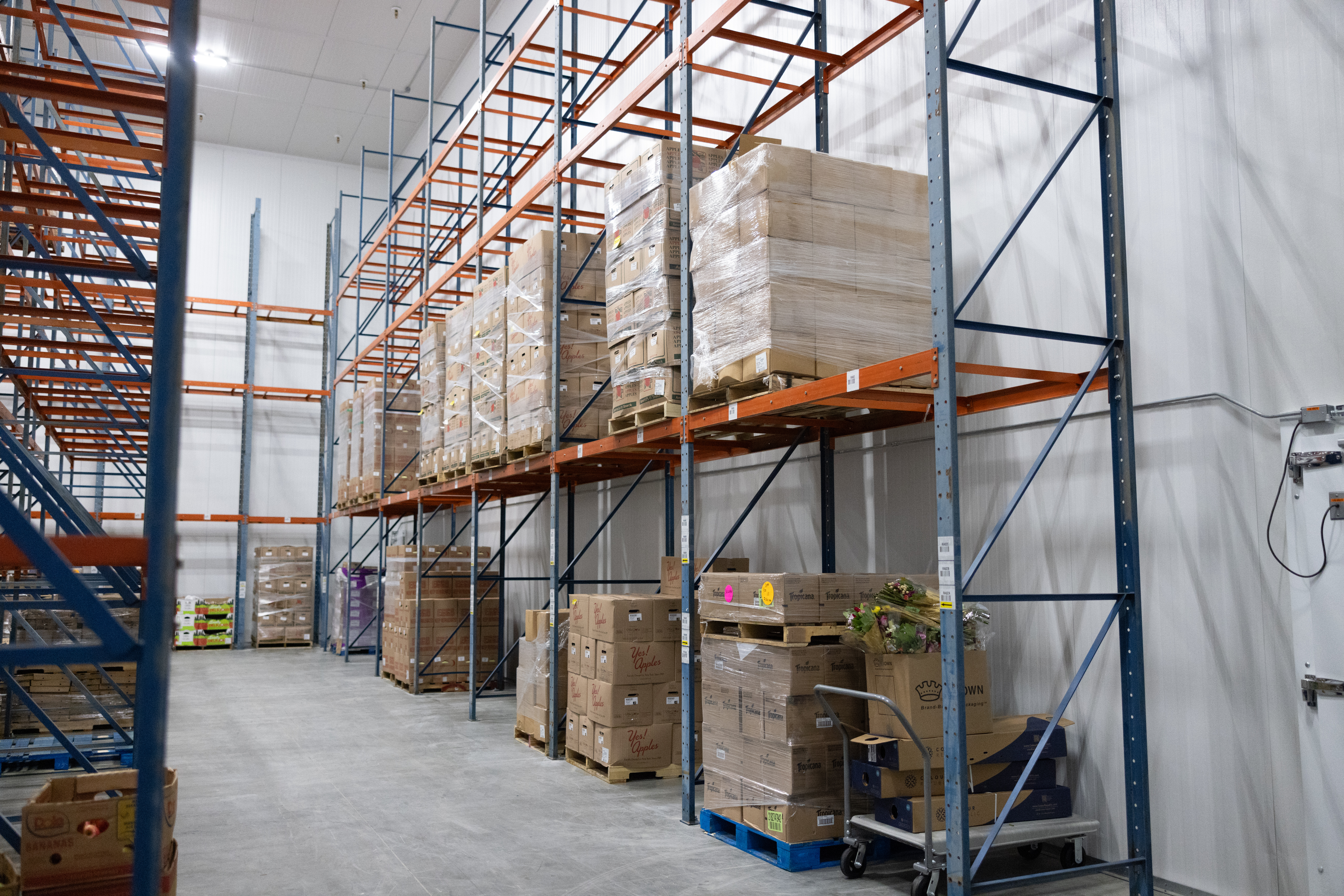
The Regional Food Bank operates on many levels to reduce food waste and minimize its environmental impact. A key part of our mission is not only to feed neighbors in need, but also to responsibly steward the resources donated to us, in whatever form they take.
Like most organizations, the Regional Food Bank recycles cans and bottles, cardboard, pallets, plastic film, and other materials recovered from our warehouse operations. In addition, our newly opened Orange County Distribution Center in Montgomery, NY features a modern, state-of-the-art refrigeration system. This system captures and recycles the waste heat it produces, redirecting it into the freezer floor to prevent icing and improve safety. During the winter, it can also reroute enough energy to fully heat the warehouse space. In total, we recycle nearly 1,000,000 BTUs of energy back into the building.
At the Albany County Distribution Center in Latham, the roof is equipped with solar panels that help support operational electricity needs. The site also includes eight Level 2 electric vehicle chargers available for both public and employee use.
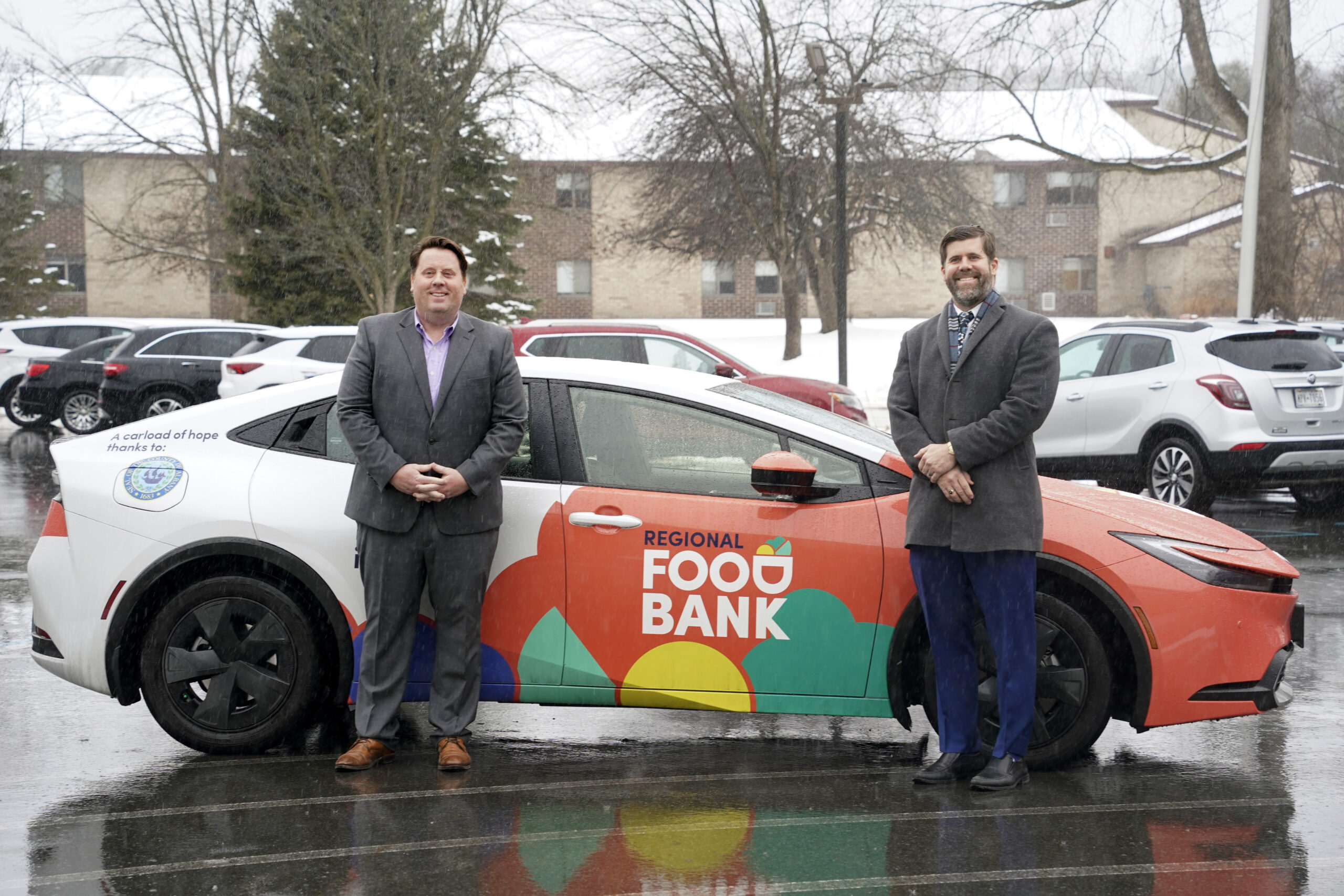
Thanks to an ARPA grant, our Agency Relations team conducts site visits using an electric vehicle, reducing emissions and fuel consumption.
The Regional Food Bank has several initiatives that help reduce food waste, minimize our impact on the environment, and help save the environment.
Retail Rescue
The Regional Food Bank works with grocers to recover these otherwise expensive and difficult to obtain items such as meat, dairy, and produce – allowing food insecure residents throughout Northeastern New York to prepare well-balanced, nutritious meals for themselves and their families.
In 2024:
- 13.7 million pounds of food were rescued, the equivalent of 11.4 million meals
- 241 individual stores across 19 retailers participated
- 124 Retail Partner Agencies (RPAs) pick up from stores in areas primarily outside the Food Bank’s truck routes
Click here to read more about this program.
Once food arrives at one of our distribution centers, volunteers carefully sort it. From fresh produce to canned goods, most items are sent to our agency partners and ultimately into the hands of neighbors in need.
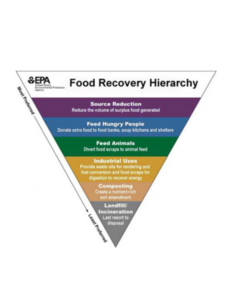
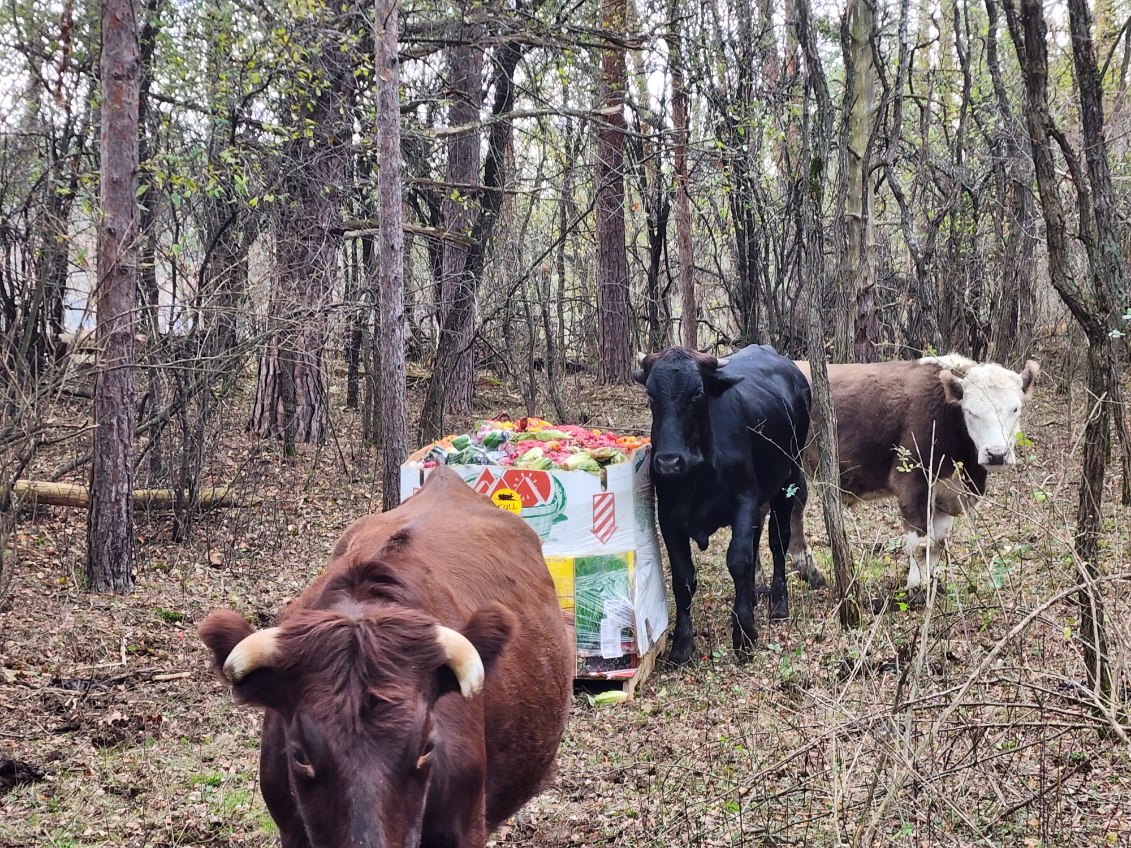
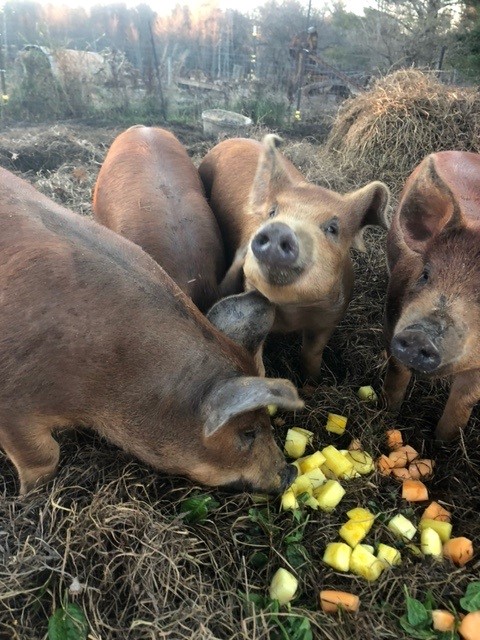
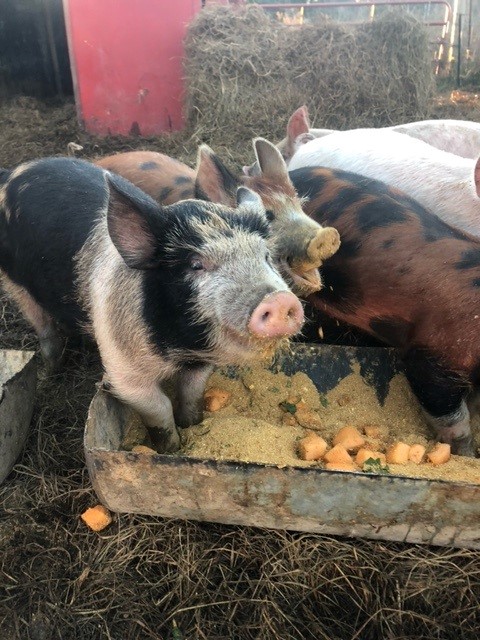
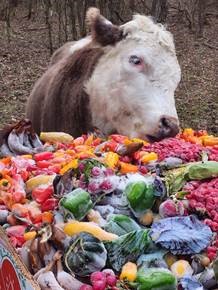
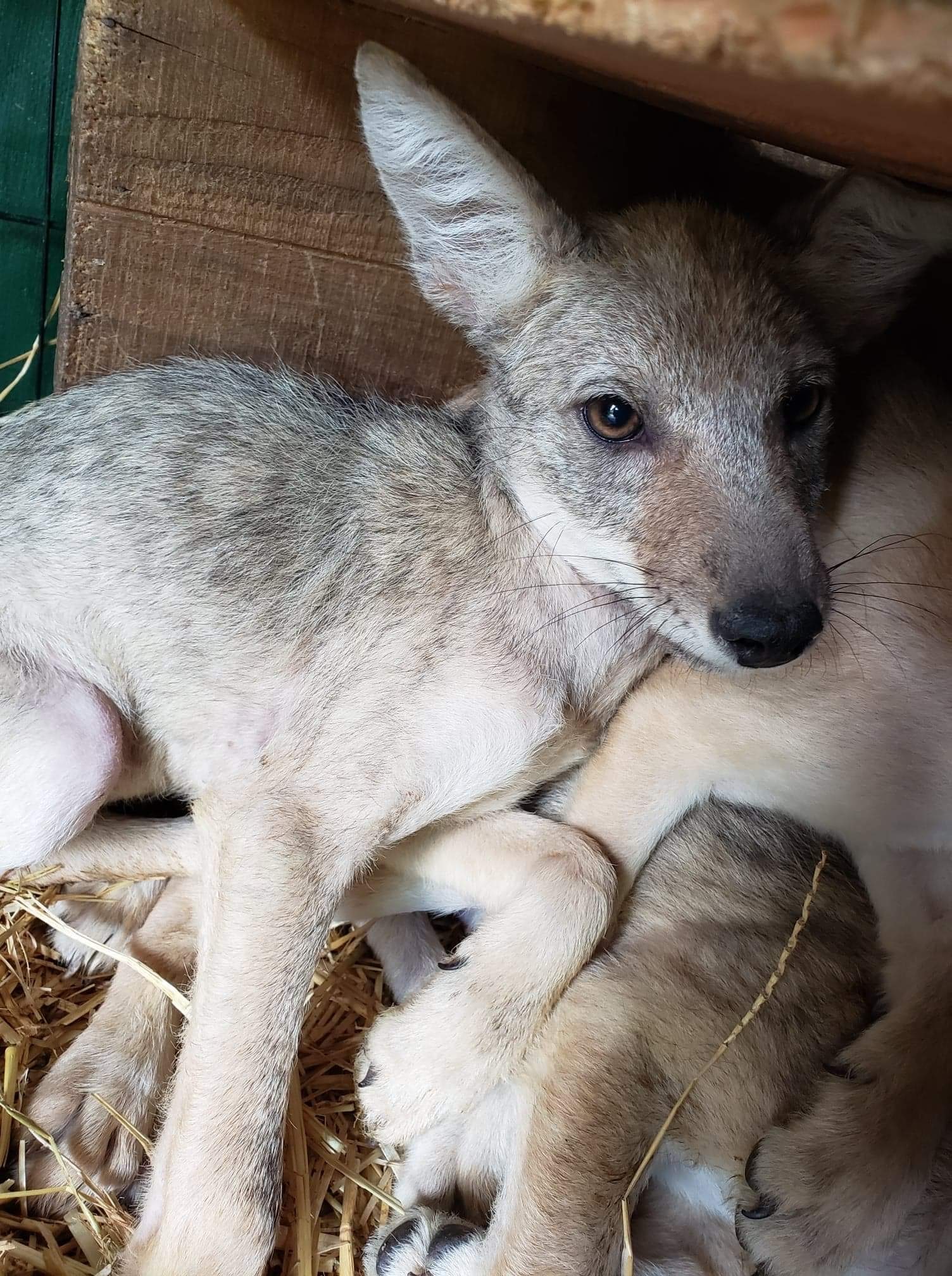
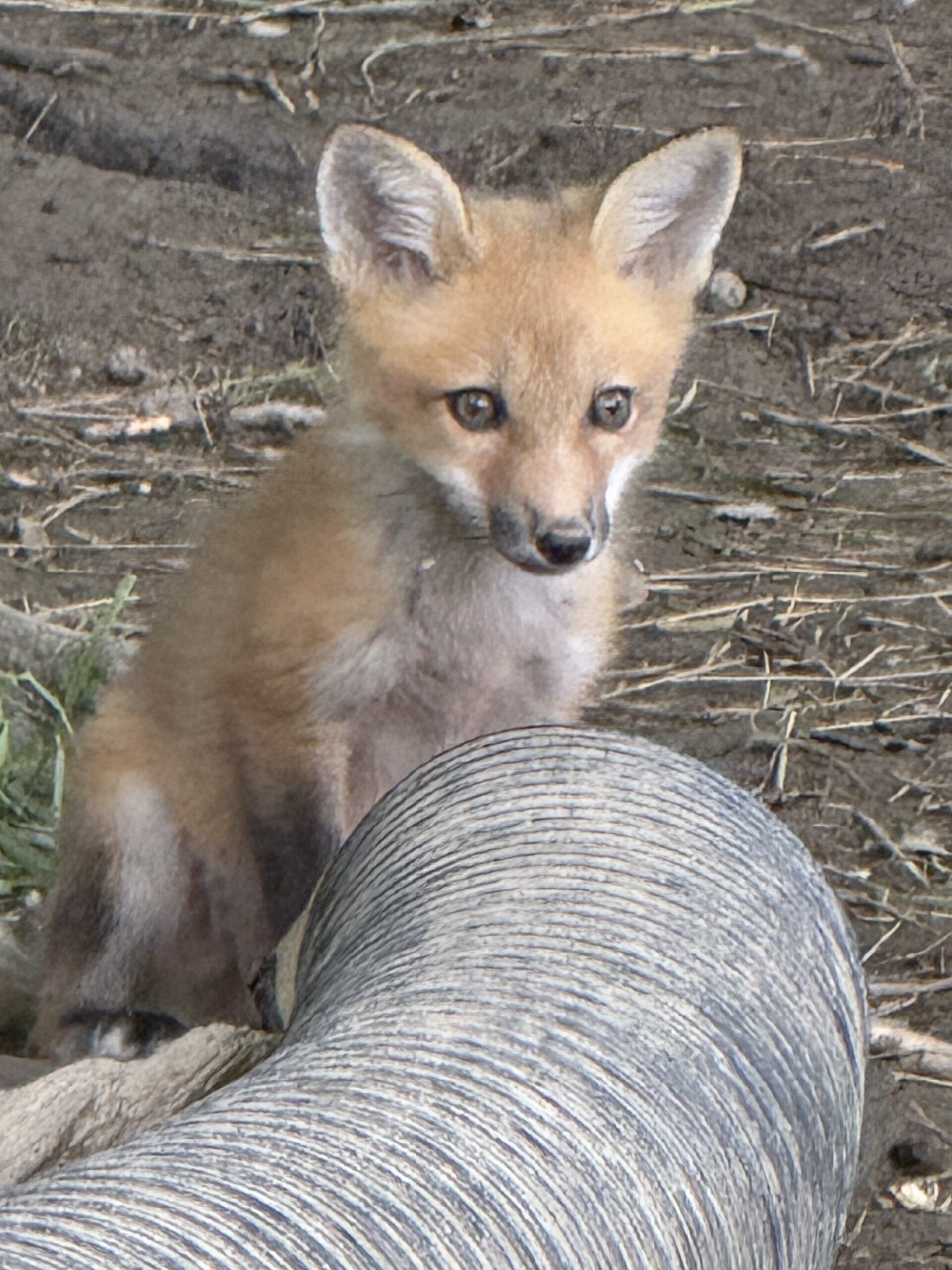
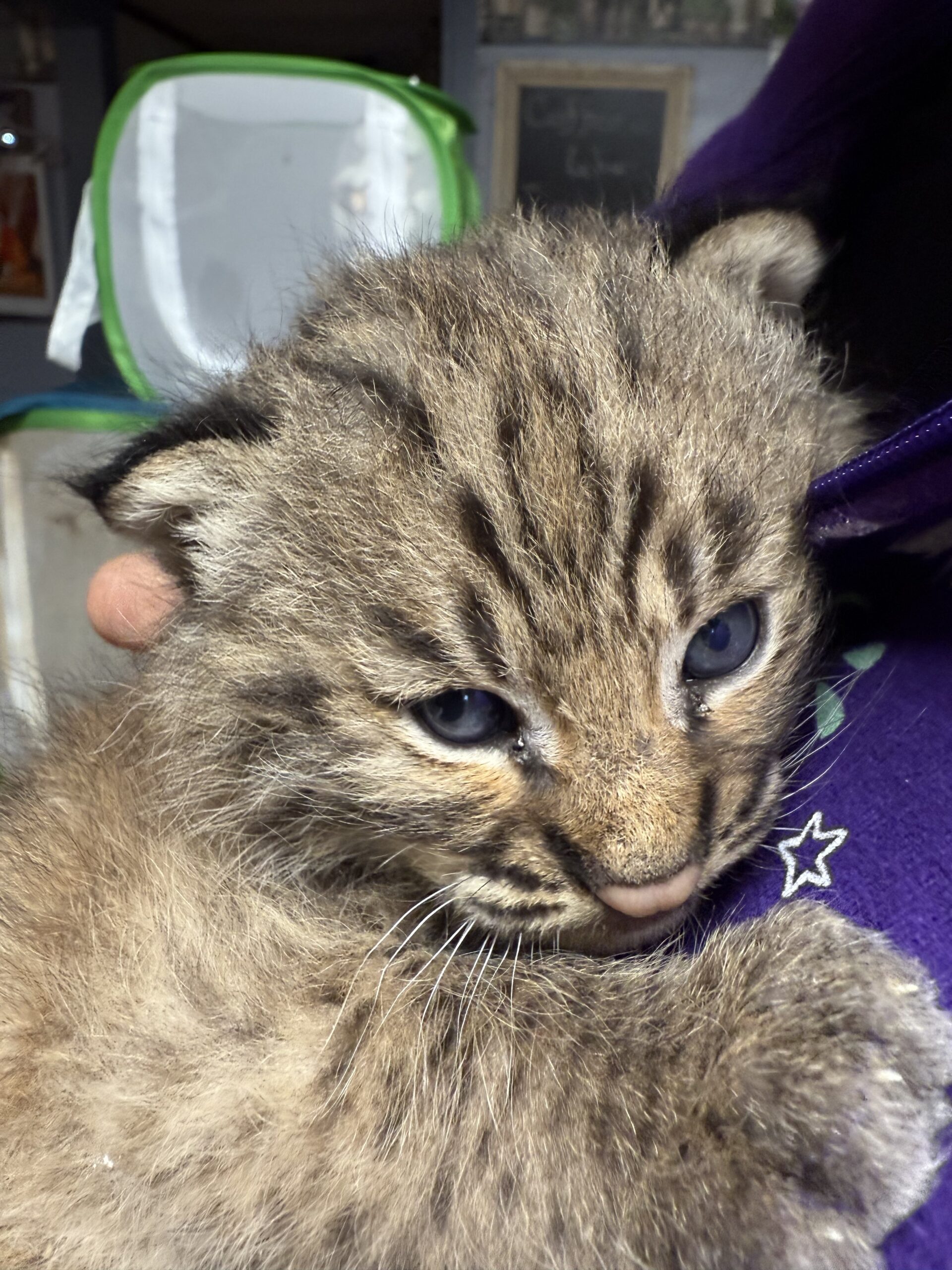
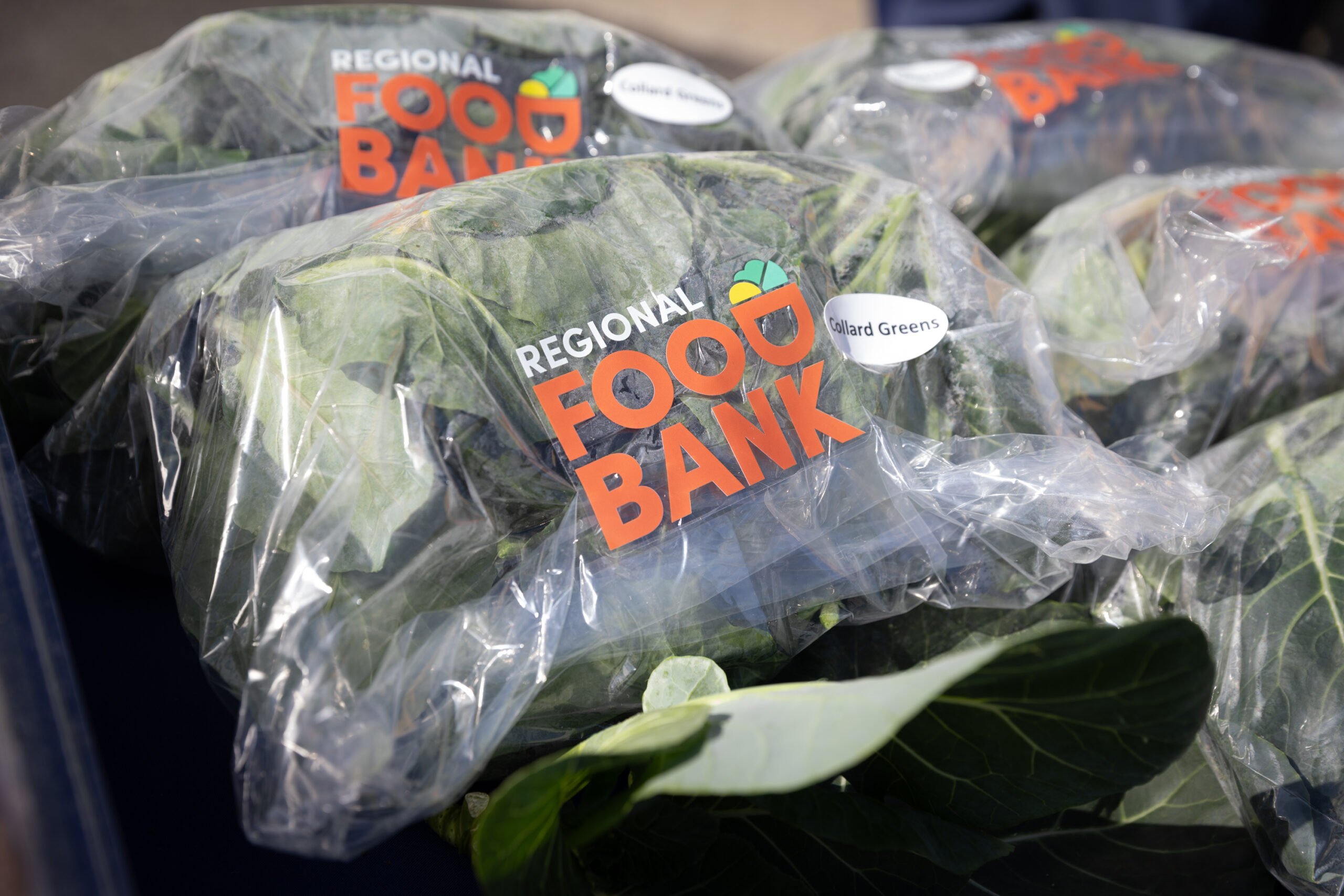
Some items, however, are not safe for human consumption. Any fresh produce that cannot be distributed is shared with local farmers and wildlife rehabilitators, who help keep it within the food chain by using it to feed livestock and rehabilitating animals. Check out some photos below of our animal friends enjoying the food.
Once food arrives at one of our distribution centers, volunteers carefully sort it. From fresh produce to canned goods, most items are sent to our agency partners and ultimately into the hands of neighbors in need.
Some items, however, are not safe for human consumption. Any fresh produce that cannot be distributed is shared with local farmers and wildlife rehabilitators, who help keep it within the food chain by using it to feed livestock and rehabilitating animals. Check out some photos below of our animal friends enjoying the food.
Packaged goods that cannot be sent to our local partners are rerouted to agri-recycling partners. These companies use specialized machinery to separate the packaging from the food. The recovered food material is then composted into nutrient-rich soil or processed through an anaerobic digester to produce energy.
Did You Know?
Nearly 40% of the U.S. food supply ends up in the landfill each year. Food banks throughout the country are leading the way on reducing this food waste and getting more food into the hands of our neighbors in need. We’re also working every day to reduce our impact on the environment to ensure the planet is a safe place to live for our children’s children.
Freight Farm
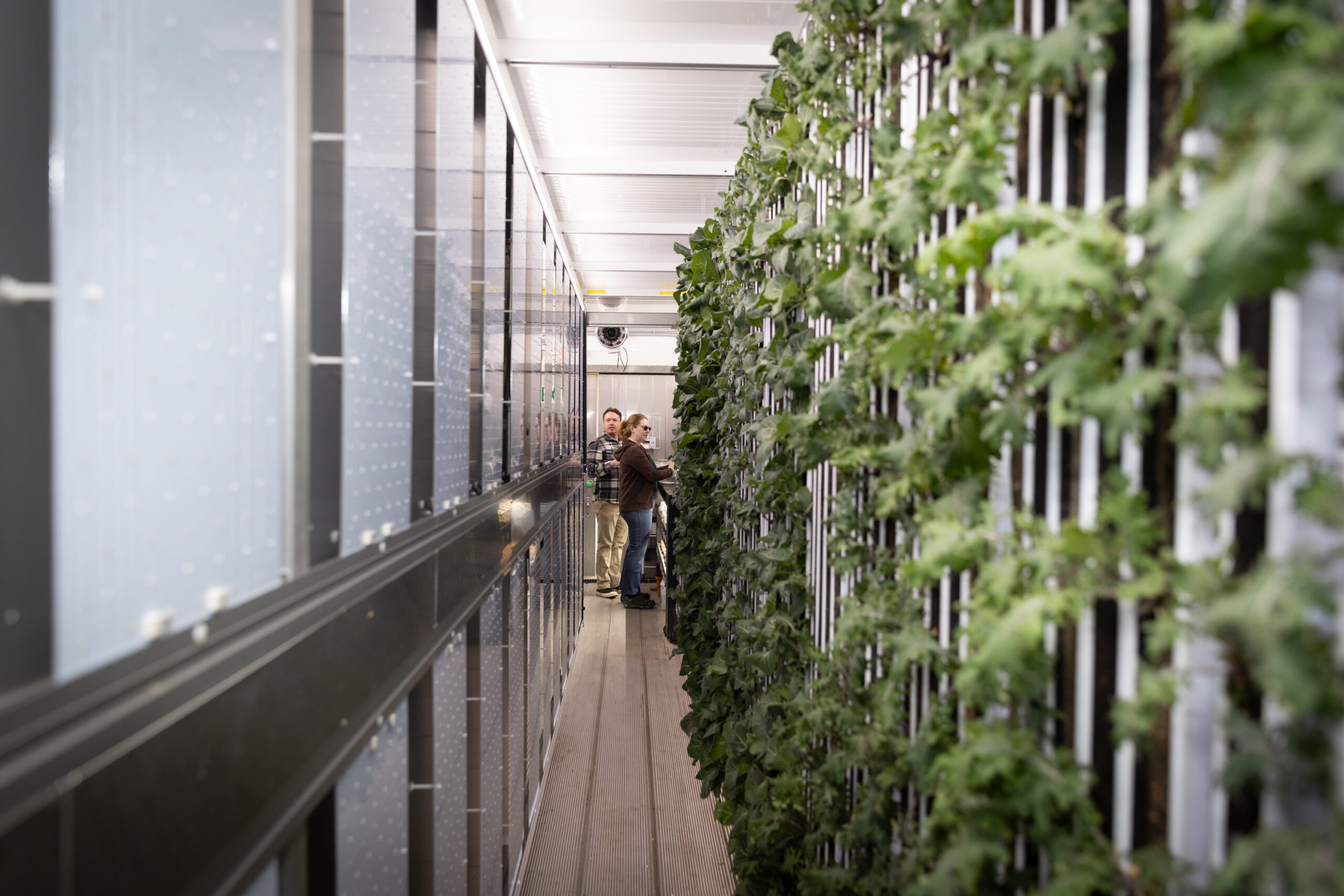
Our Freight Farm, sponsored by Broadview Federal Credit Union, allows us to hydroponically grow leafy greens year-round, all of which goes directly to neighbors in need. We operate this system in a 40-foot trailer, conserving soil and space, reducing water usage, and making year-round growing possible.
Conclusion
The Regional Food Bank is committed to alleviating hunger and nourishing communities. An important part of our mission is also reducing food waste and developing environmentally friendly programs that support our work.
For more information, please contact us at greeninitiatives@regionalfoodbank.net.
Special thanks to our partners: