
Overview
The Regional Food Bank’s Food as Medicine (FAM) program, developed in partnership with healthcare organizations, increases access to nutritious foods for individuals and families experiencing food insecurity. By connecting neighbors with healthy foods, nutrition education, and supportive resources, often at the point of care, the program promotes overall health, improves well-being, and supports individuals in managing and reducing the risk of chronic conditions.
Program Goals
The Food as Medicine program addresses food insecurity, one of the most critical factors influencing health outcomes, by ensuring individuals have reliable access to nutritious food. The Food Bank partners directly with hospitals, clinics, and community health centers to reach patients at the point of care, helping to address health-related social needs alongside medical treatment.
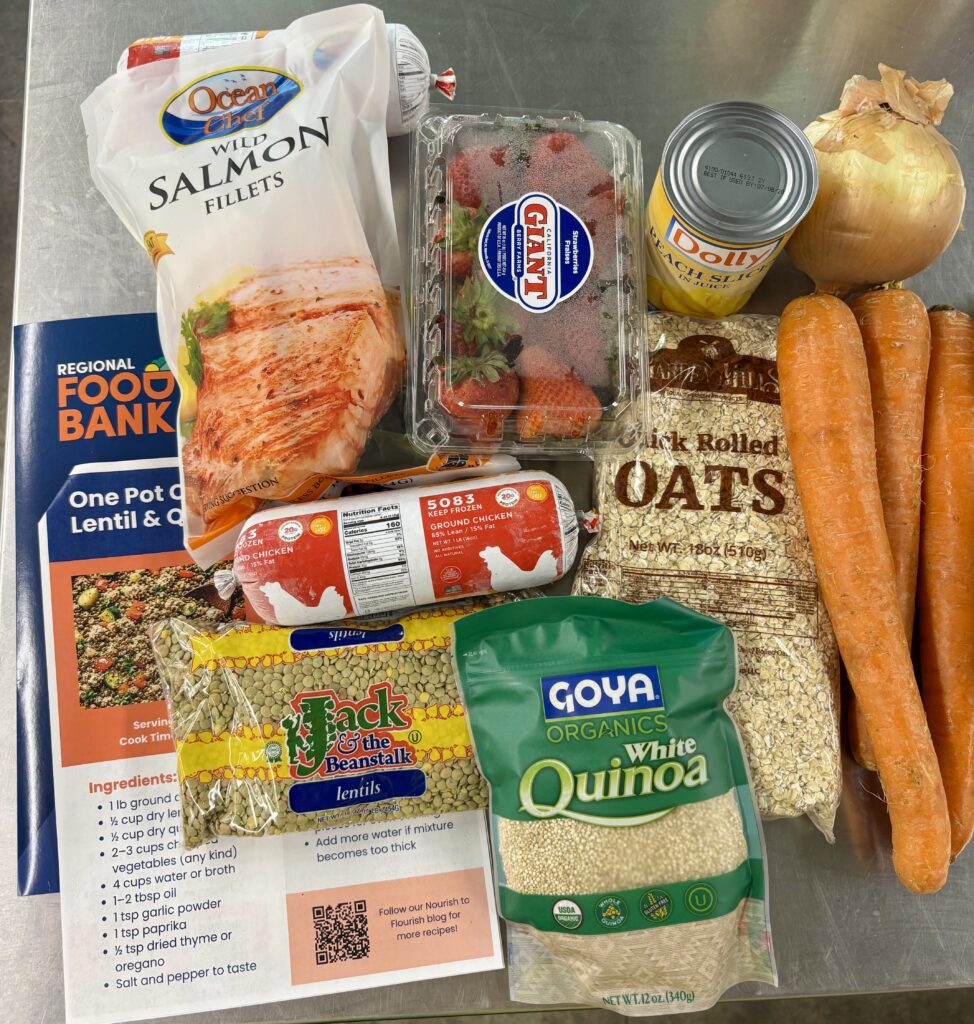
Participants receive fresh produce, lean proteins, and whole grains designed to support overall health and meet a range of dietary needs, including those managing chronic conditions such as diabetes, cancer, and heart disease. By addressing nutrition-related social needs, the program supports disease management, helps prevent complications, and contributes to reducing avoidable emergency room visits and hospital readmissions.
By pairing nutritious foods with nutrition education and connections to community resources, the program takes a comprehensive approach to addressing social determinants of health and supporting long-term well-being.
Program Models
Cohort Program
Patients enroll in structured cohorts (typically 12 weeks) focused on managing specific chronic conditions such as diabetes or hypertension. Cohorts include nutrition education, cooking tips, and ongoing support to encourage sustainable dietary changes. The time-bound, high-touch support cohort model focuses on tracking participation, food access, and health-related outcomes over time, strengthening program evaluation and reporting.
Participants receive weekly or bi-weekly deliveries of medically tailored groceries. Home deliveries include nutritious foods aligned with clinical nutrition guidance, including fresh produce, lean proteins, and whole grains. Home delivery reduces transportation barriers and ensures consistent access to healthy food.

Onsite pantries
Onsite pantries are also located directly within healthcare settings, allowing patients to access healthy food immediately following medical appointments. By embedding food access in clinical spaces, the program reduces barriers related to transportation, cost, and access. Onsite pantries deepen collaboration with healthcare providers and reinforce a whole-person, community-based approach to care.
Patients screening positive for food insecurity can regularly receive nutritious groceries to support chronic disease prevention and management. Patients select foods that meet their cultural preferences.
Medicaid 1115 Waiver
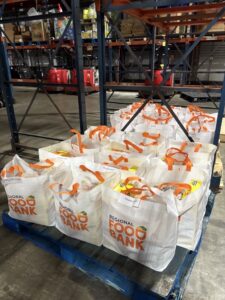
As part of New York State’s Medicaid 1115 Waiver, the Food Bank delivers nutrition services to eligible Medicaid members, including produce prescriptions, pantry stocking, and nutrition counseling and education. Nutritious, medically tailored groceries are delivered directly to neighbors’ homes on a weekly basis, helping to reduce barriers to access and support improved health outcomes.
To learn more, click here.

For more information, or to get involved in this program, please contact:
Samantha Monks, MS, RDN
Director of Health and Nutrition
518-786-3691 ext. 298
foodasmedicine@regionalfoodbank.net